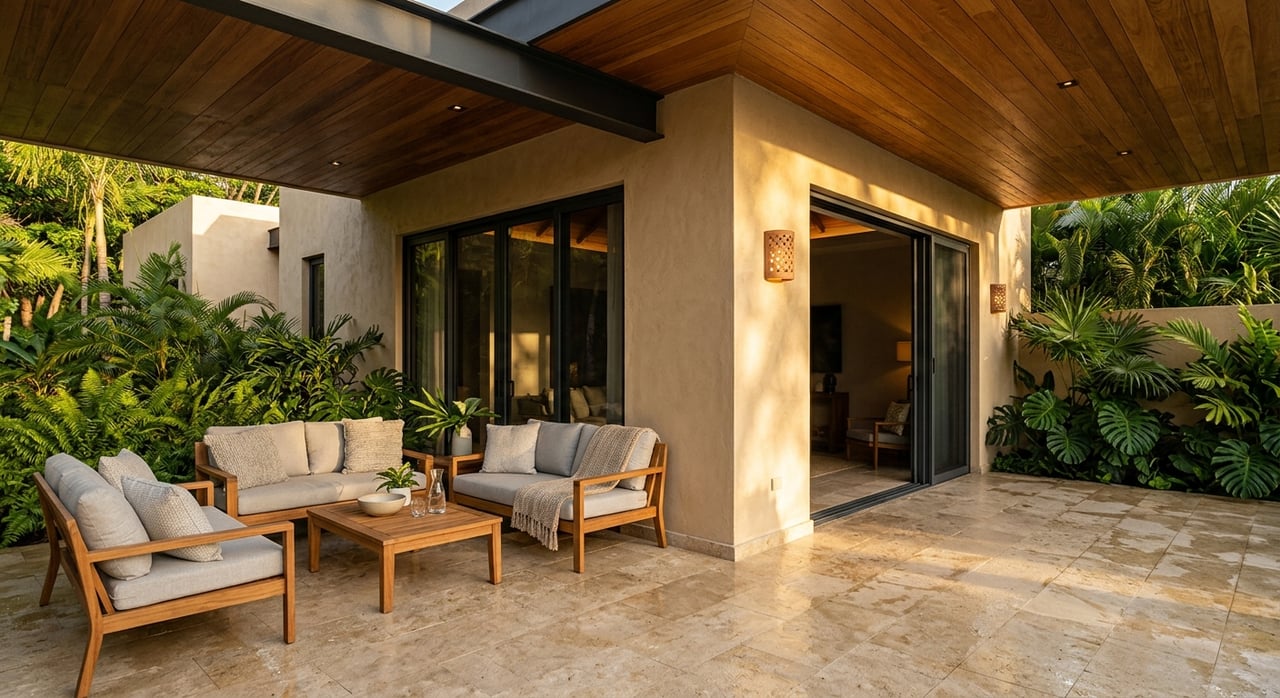
Looking for a home in Rio Grande’s resort communities means you are buying more than square footage. You are choosing a lifestyle shaped by coastline, golf, shared amenities, and the backdrop of El Yunque. If you want to understand what ownership really looks like in this part of Puerto Rico, this guide will help you ask smarter questions, compare options more clearly, and move forward with confidence. Let’s dive in.
Rio Grande, PR Real Estate & Homes for Sale
Why Rio Grande stands out
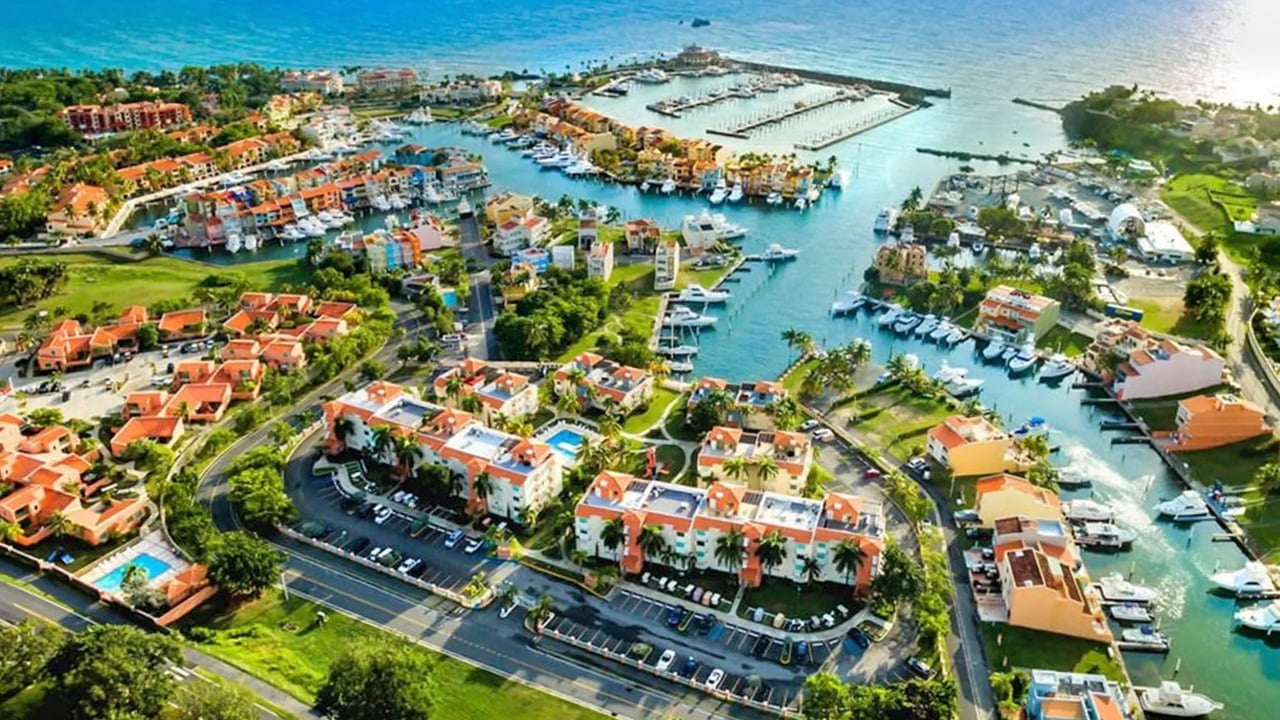
Rio Grande sits on Puerto Rico’s northeast coast along the Atlantic, with El Yunque to the south and southeast. The municipality identifies itself as Ciudad del Yunque and spans about 61 square miles, which helps explain why this market feels distinct from many other coastal areas on the island.
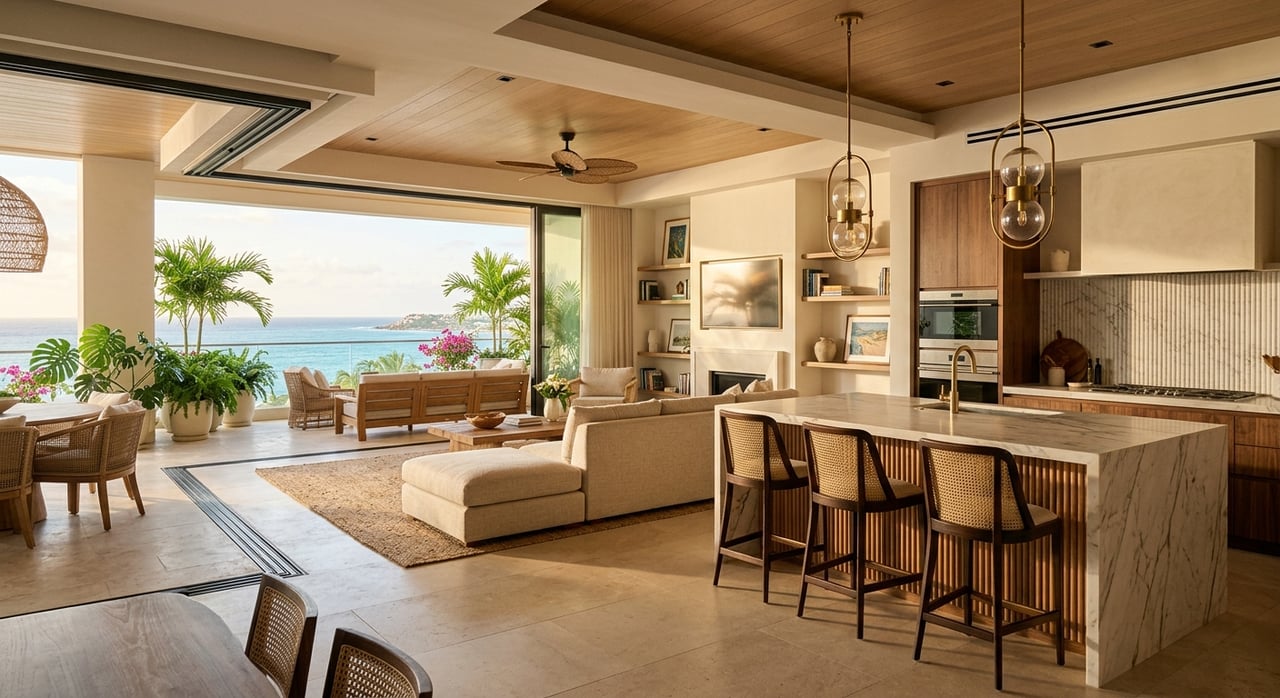
For buyers, the appeal is not just beach access. Rio Grande offers a rainforest-and-coast setting that supports a lower-density, amenity-driven lifestyle. In practical terms, many buyers are drawn here for the combination of natural surroundings and private resort-style living.
How resort living works here
One of the most important things to understand is that Rio Grande is not defined by a single neighborhood format. Instead, it is better understood as a collection of resort campuses and nearby residential enclaves, with Bahia Beach and Rio Mar serving as major anchors.
That matters because two homes with a Rio Grande resort address may offer very different ownership structures, maintenance responsibilities, and amenity access. A condo, a villa, an estate home, and a homesite can all exist within the same broader resort environment.
Bahia Beach at a glance
Bahia Beach shows the clearest example of the range buyers may encounter. Its resale inventory has included non-branded residences, Las Verandas golf condos, Las Ventanas ocean-view and ocean-front condos, Ocean Drive beachfront residences, and Atlantic Drive estate homes and homesites.
At the time of research, asking prices on the resort’s own pages ranged from about $2.5 million for a Las Verandas golf condo to $12.95 million for Atlantic Drive Estates, with Ocean Drive beachfront residences listed at $6.85 million. That range highlights how broad the buying options can be, even within one resort ecosystem.
Rio Mar as a benchmark
Rio Mar is another major point of reference in Rio Grande’s resort corridor. Wyndham Grand Rio Mar presents the area as a golf-centered resort with two championship golf courses and a 35,000-square-foot clubhouse, along with golf and racquet programming.
For you as a buyer, Rio Mar helps set expectations for what amenity-rich resort living can look like in Rio Grande. Even when a residence is not located directly inside a hotel footprint, the surrounding community may still be shaped by that larger resort environment.
Property types you may find
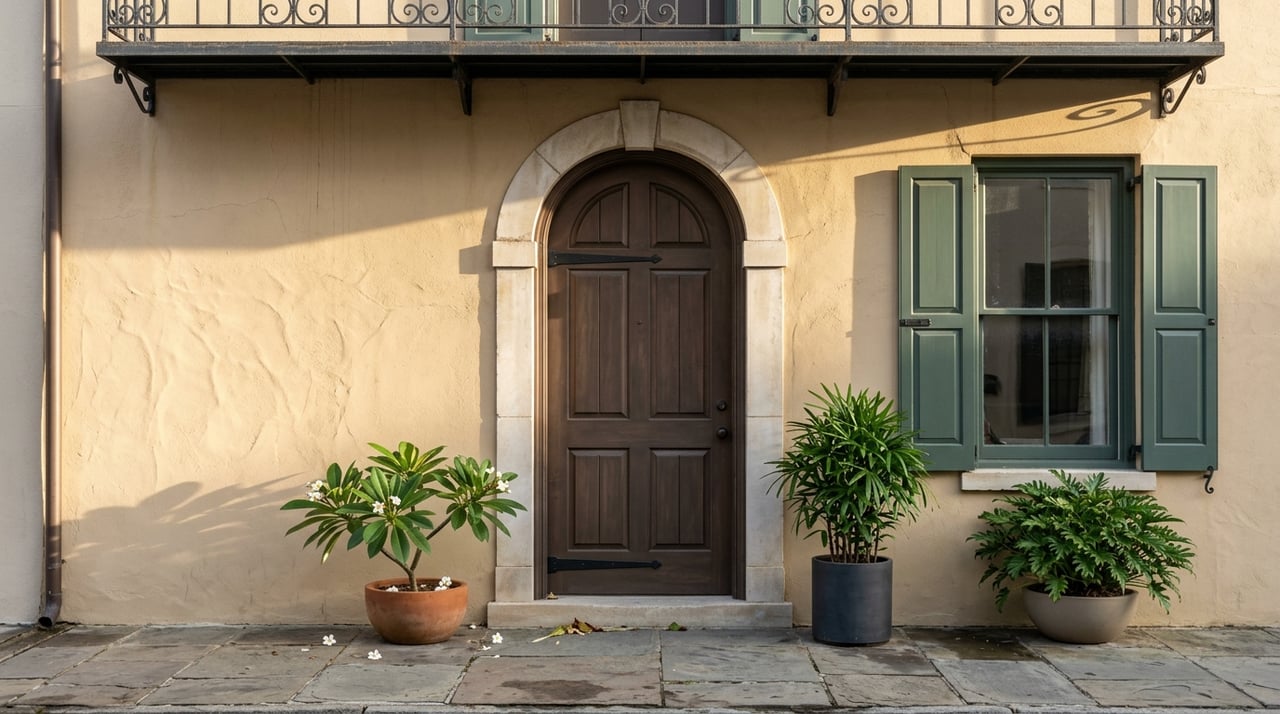
In Rio Grande’s resort communities, the phrase resort home can mean several different things. You may be looking at a condominium-style residence, a fee-simple house, or a homesite intended for future construction.
This distinction affects more than the label on a listing. It can influence how the property is governed, who maintains what, how shared costs are handled, and what rights transfer to you at closing.
Condos and resort-condos
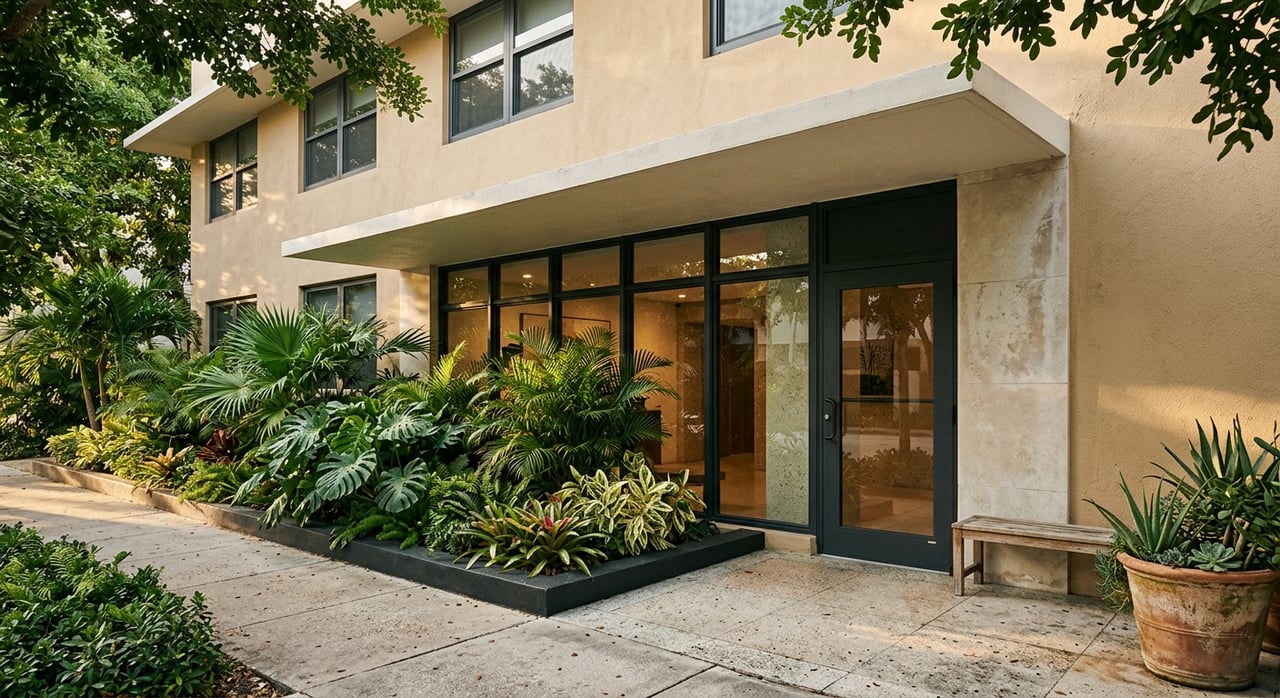
Condominium-style ownership is common in resort settings because it allows for shared maintenance of buildings, grounds, and common amenities. In communities like Bahia Beach, this can include golf condos and ocean-view or ocean-front condo residences.
If you are buying a condo, you should expect a formal governance structure with declarations, bylaws, budgets, insurance obligations, and owner rules. In Puerto Rico, these arrangements fall under the condominium and horizontal-property framework.
Estate homes and homesites
Some Rio Grande resort properties are estate-home or homesite based instead of condominium based. These options may offer a different maintenance model and a different level of direct owner responsibility.
That does not mean they are simpler. You still need to confirm what community rules apply, whether a homeowners association is involved, what shared amenities come with ownership, and what costs continue after closing.
Amenities are not always automatic
A common mistake buyers make is assuming that a resort address guarantees full use of golf, beach club, spa, or racquet facilities. In reality, amenity access is often property-specific.
Bahia Beach describes itself as a Beachfront Member’s Club and notes that some experiences are available to residents and members. Rio Mar also markets golf and racquet programming as part of the resort experience. Those descriptions are useful, but they should never replace direct verification of what transfers with a specific property.
What to confirm before you buy
Before making an offer, ask for clarity on:
- Which amenities are included with ownership
- Whether club access is automatic or optional
- Whether transfer fees or initiation fees apply
- Whether guest access is limited
- Whether amenities require separate approval or membership
This step can protect you from buying into a lifestyle expectation that does not match the actual ownership package.
Understand HOA and maintenance costs
If you are buying in a resort condo or similar shared community, monthly dues can be significant. That is because common areas, landscaping, amenities, insurance, staffing, and reserves are often built into the ownership model.
Puerto Rico’s condominium law is especially important here. It governs common elements, limited common elements, budgets, reserves, insurance, and owner obligations in many condo and resort-condo projects.
Why reserve funds matter
Under Puerto Rico’s condominium law, the annual budget must include a reserve contribution of at least 5% of the total annual operating budget. Those reserve funds are meant for extraordinary or urgent work, and improvements may require specific voting thresholds under the law.
For you, this means two things. First, regular dues may be higher than expected. Second, special assessments, known as derramas, are a real possibility if a building or community needs major work beyond its normal operating budget.
Limited common elements can change costs
The law also distinguishes between common elements and limited common elements. Common elements are maintained by the board or directors under the approved budget, while limited common elements may be the responsibility of the owners who benefit from them.
That is why two units in the same community may not always carry the same maintenance picture. It is worth reviewing exactly which areas and features fall under the association and which may fall to you.
Short-term rental rules need a close look
If you are considering a second home with part-time rental potential, this is one of the most important issues to review early. Puerto Rico’s condominium law defines a short-term rental as any lease of less than 90 consecutive days.
That definition matters, but it does not automatically tell you whether a specific property allows short-term rentals. The recorded documents and community rules still control actual use, so you should confirm rental restrictions property by property.
Questions to ask about rental use
Ask for written confirmation on:
- Minimum lease terms allowed by the community
- Any restrictions in the declaration or bylaws
- Registration or approval requirements
- Rules affecting guests, check-ins, parking, or amenity use
If rental flexibility is part of your plan, this review should happen before you get too far into negotiations.
Insurance deserves extra attention
Insurance in a resort community can be layered. Puerto Rico’s condominium law allows the condominium council to insure common areas and related elements, while an individual owner may also insure the unit for personal benefit.
Even if you buy individual coverage, that does not remove your share of communal insurance obligations when the association carries a master policy. For that reason, insurance should never be treated as a quick last-minute item.
Insurance documents to request
A smart review includes:
- The master policy summary
- Any deductible exposure assigned to owners
- The history of insurance-related assessments
- What your personal policy would need to cover separately
This can help you build a more realistic picture of your ongoing ownership costs.
Due diligence matters in Puerto Rico
Rio Grande resort purchases involve a formal title and closing process. Puerto Rico’s Department of Justice explains that the Registro Inmobiliario Digital is the public registry for real property rights and encumbrances, and it connects digitally with systems such as Hacienda, CRIM, and permits.
For you, the practical takeaway is simple. Title review and recordation are central parts of the transaction, not optional extras.
What to verify before closing
Hacienda’s guidance on real-property transfers states that the notary is responsible for filing transfer information. It also says buyers should investigate any outstanding taxes or debts with the seller and with CRIM.
That means you should confirm more than the property description on a listing sheet. You want clarity on deed status, tax status, and any recorded liens or charges before funds are sent.
CRIM parcel tools can help
CRIM’s public parcel tools can also support your due diligence. Its parcel map and related visualizers are updated daily and can show parcel identification, owner and contact data, location, and valuation fields for tax purposes.
These tools can be useful as a cross-check when you are reviewing whether a condo, villa, or homesite matches the recorded and billed property information tied to that specific parcel.
A smart buyer checklist
If you are serious about buying in Rio Grande’s resort communities, keep this checklist handy:
- Confirm whether the property is a condo, fee-simple home, or homesite
- Review the declaration, bylaws, and house rules
- Verify which amenities transfer with ownership
- Ask about club access, transfer fees, and membership requirements
- Review HOA dues, reserve contributions, and assessment history
- Confirm master insurance coverage and owner insurance responsibilities
- Check title, registry status, CRIM status, and unpaid taxes or charges
- Review short-term rental rules if rental use matters to you
In a market like Rio Grande, details shape the ownership experience. The more clearly you understand the structure of the property, the better positioned you are to choose a home that fits your lifestyle and long-term plans.
Whether you are relocating, buying a second home, or searching for a resort residence that feels effortless from day one, local guidance can make the process much smoother. If you want concierge-level support as you explore Rio Grande and other Puerto Rico lifestyle markets, connect with Nest-Lux LLC.
FAQs
What types of homes are available in Rio Grande resort communities?
- Buyers may find condo-style residences, golf condos, ocean-view or ocean-front condos, estate homes, and homesites, depending on the community.
What should buyers verify about amenities in Rio Grande resorts?
- You should confirm whether golf, beach club, spa, racquet, or other amenities transfer with ownership, and whether separate fees or approvals apply.
What does Puerto Rico law say about short-term rentals in condos?
- Puerto Rico’s condominium law defines a short-term rental as a lease of less than 90 consecutive days, but the community’s recorded documents and rules still determine whether that use is allowed.
What ownership costs are common in Rio Grande resort condos?
- Common costs can include monthly dues, reserve contributions, communal insurance obligations, and possible special assessments for major work.
What should buyers check before closing on a Rio Grande resort property?
- You should verify title, registry status, CRIM tax status, recorded liens or charges, governing documents, insurance details, and any unpaid assessments before closing.