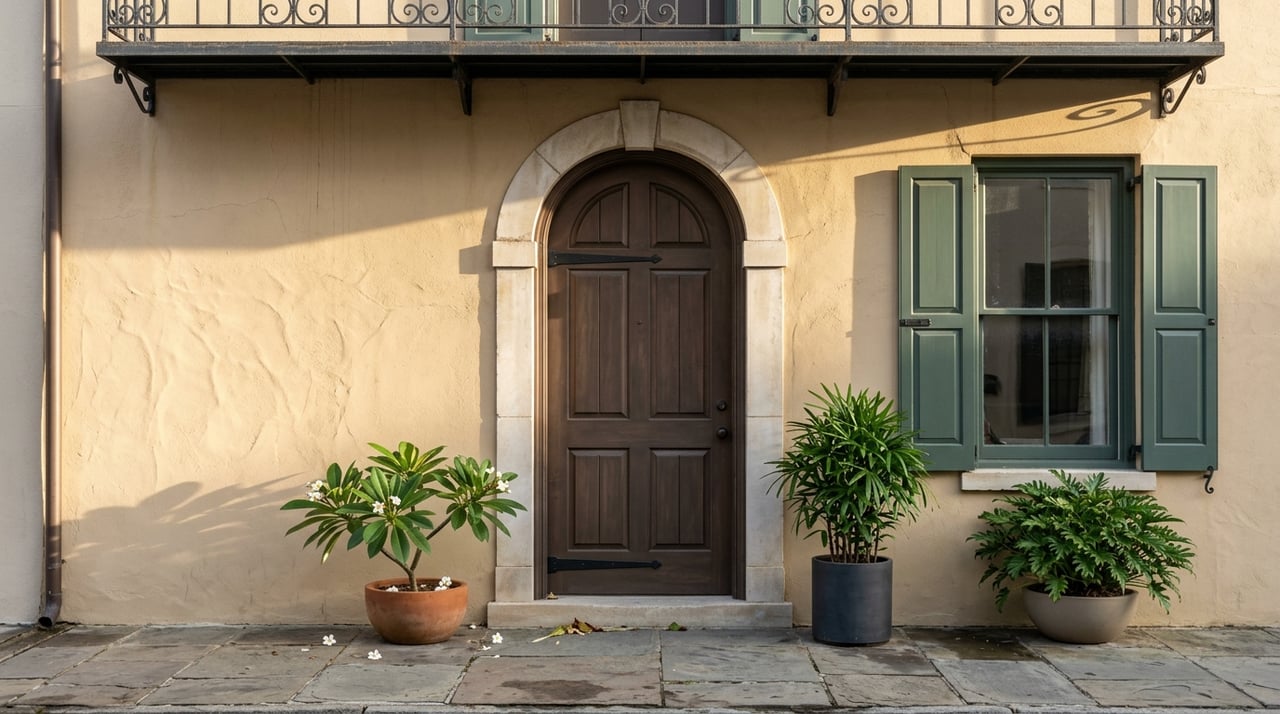
Buying in Viejo San Juan can feel like falling in love at first sight. The color, the architecture, and the history are unforgettable, but this is also one of the few places where charm and compliance matter just as much as location. If you are thinking about buying a historic home here, you need a clear picture of what ownership really involves, from permits and preservation to parking and flood due diligence. Let’s dive in.
Why Viejo San Juan Is Different
Viejo San Juan is not simply an older neighborhood with character. It sits within the San Juan Historic Zone, and the National Park Service describes it as a residential and commercial district shaped by centuries of fortified urban history.
That distinction matters because buying here is not the same as buying a typical city condo, townhouse, or single-family property. You are stepping into a preservation-sensitive setting where the home’s history, condition, and legal status all deserve close attention.
Historic Rules Affect Ownership
In Viejo San Juan, your plans for a property may be shaped by historic-zone review requirements. Under Puerto Rico Law 161-2009, permits tied to use, demolition, remodeling, and construction in structures listed in the Register of Sites and Historic Zones require a favorable recommendation, and demolition, remodeling, and construction also require authorization from the Instituto de Cultura Puertorriqueña.
For you as a buyer, this means future changes may take more time and documentation than expected. It also means past renovations should be reviewed carefully so you understand whether the work was properly approved.
What to Ask For Before You Buy
A beautiful finish does not always tell the full story. Before moving forward, ask for documentation related to prior alterations, especially if the home has updated windows, a changed roofline, facade work, interior reconfiguration, or signs of major remodeling.
Request items such as:
- Permit packets
- Approval letters
- Contractor invoices
- Records for facade, roof, window, demolition, or remodeling work
This paper trail can help you separate a well-executed restoration from work that may create delays or added costs later.
Look Beyond Cosmetic Updates
A historic home can photograph beautifully and still hide expensive issues. The National Park Service defines preservation as sustaining the existing form, integrity, and materials of a historic property, with an emphasis on maintenance and repair rather than broad replacement.
In practical terms, a strong restoration usually shows compatible materials, thoughtful detailing, and clear records of what was done. A purely cosmetic update may look polished at first glance but leave unresolved building issues underneath.
Moisture Is a Major Concern
For historic buildings, moisture is one of the most important issues to evaluate. The National Park Service notes that uncontrolled moisture is a leading cause of deterioration and recommends careful diagnosis, proper drainage, ventilation, and preservation-aware planning.
In Viejo San Juan, that means you should pay close attention to roofs, gutters, masonry, window openings, plumbing, electrical work, and signs of hidden moisture paths. Efflorescence, staining, soft materials, or patched areas can all justify a closer look.
Mechanical Systems Need Careful Review
Updated systems can improve comfort, but poor installation can damage historic materials. The National Park Service also warns that HVAC and other mechanical systems can become too intrusive if they are not carefully planned.
When you tour a property, look beyond whether the air conditioning works. You want to understand how systems were added, where they were routed, and whether the installation respects the building’s structure and materials.
Use the Right Inspector
Not every inspector approaches a historic property the same way. In Viejo San Juan, it is smart to work with someone who understands historic masonry, moisture behavior, drainage, and older building systems.
A knowledgeable inspector can help you tell the difference between a sound repair and a quick patch. That kind of insight is especially valuable when you are buying from afar or trying to move quickly in a competitive market.
Condo Ownership Has Extra Layers
Some homes in Viejo San Juan are part of a condominium or horizontal-property regime. If that is the case, Puerto Rico’s 2020 Condominium Law governs matters such as the Council of Titulares, budgets, reserve funds, maintenance fees, records, and collection of unpaid common charges.
For you, the key takeaway is simple: the monthly fee is not the whole story. You need to review how the building is run and whether the finances support the property’s ongoing care.
Condo Documents Worth Reviewing
Before you make an offer on a condo property, review:
- The operating budget
- Reserve funding
- Insurance information
- Board rules and authority
- Meeting minutes and records access
- Maintenance delinquencies or unpaid common charges
This step can reveal whether a building is financially prepared for long-term upkeep, which is especially important in a historic setting.
Daily Life Is More Urban
Viejo San Juan offers walkability, restaurant access, tourism energy, and a one-of-a-kind historic atmosphere. At the same time, it is a regulated urban core, not a quiet suburban layout with predictable parking and large private driveways.
The National Park Service describes the area as both residential and commercial, and local public-order rules regulate unnecessary noise and some vehicular movement in parts of Viejo San Juan. That blend of convenience and activity is part of the appeal for many buyers, but it is still important to match the setting to your lifestyle.
Parking Requires Real Planning
Parking can be one of the biggest practical adjustments for buyers. San Juan’s municipal code designates resident-only parking areas for qualifying residents with special permits, but the permit does not guarantee an available space.
That means you should treat parking as a due diligence item, not an afterthought. You will also want to confirm delivery access, loading logistics, and move-in details before closing.
Flood Due Diligence Should Start Early
In a coastal historic district, flood review should be part of your process from the start. Puerto Rico’s flood portal provides official risk maps, elevation and floodproofing resources, coastal-zone certificates, and parcel-based flood determinations.
The most important step is to verify the exact parcel rather than rely on a broad impression of the neighborhood. Flood status, elevation, and insurance implications can affect both your budget and your comfort level with the purchase.
A Smart Buyer Checklist
If you are serious about buying a historic home in Viejo San Juan, keep this checklist in mind:
- Review permit packets and approval records for past alterations
- Ask for contractor invoices and renovation documentation
- Hire an inspector with experience in historic materials and moisture issues
- Evaluate roofs, masonry, drainage, plumbing, electrical work, and hidden moisture paths
- Review condo budgets, reserves, insurance, and governance documents if applicable
- Confirm resident parking rules, loading access, and daily logistics
- Verify parcel-specific flood status and possible insurance impact early
The Real Opportunity in Viejo San Juan
Buying a historic home in Viejo San Juan can be deeply rewarding if you go in with the right expectations. The appeal is real, but so is the need for careful due diligence, respect for preservation standards, and a realistic understanding of urban daily life.
If you value architecture, walkability, and the experience of owning a home with lasting cultural character, this market can offer something truly special. The best purchases usually happen when beauty, documentation, condition, and lifestyle fit all align.
If you want thoughtful guidance as you explore properties in Viejo San Juan or anywhere across Puerto Rico, Nest-Lux LLC offers a concierge-driven approach designed to help you move with clarity and confidence.
FAQs
What makes buying a historic home in Viejo San Juan different from buying elsewhere in San Juan?
- Viejo San Juan is part of a historic zone, so property changes may require special review, approvals, and added due diligence that would not apply in a standard urban purchase.
What should you review before buying a renovated home in Viejo San Juan?
- You should ask for permit records, approval letters, contractor invoices, and documentation for prior work, especially for facades, roofs, windows, demolition, or remodeling.
Why is moisture such an important issue in Viejo San Juan historic homes?
- Moisture is a leading cause of deterioration in historic buildings, so buyers should inspect drainage, roofs, masonry, plumbing, ventilation, and signs of hidden water intrusion carefully.
What should condo buyers check in a Viejo San Juan property?
- If the property is part of a condominium regime, review the budget, reserve funds, insurance, meeting records, maintenance delinquencies, and building rules before making an offer.
How does parking work for residents in Viejo San Juan?
- Resident-only parking areas may be available by permit for qualifying residents, but a permit does not guarantee an open space, so parking and delivery logistics should be reviewed early.
How can you verify flood risk for a home in Viejo San Juan?
- You should confirm the exact parcel through Puerto Rico’s official flood resources and review elevation, flood determinations, and possible insurance implications before closing.