If you want a San Juan neighborhood that feels lived-in, connected, and full of character, Miramar deserves a close look. For many buyers and relocators, the challenge is finding a place that blends daily convenience with a strong sense of place. In Miramar, you get a historic residential setting, a varied food scene, and easy access to some of the city’s most active districts. Let’s dive in.
Why Miramar Feels Distinct
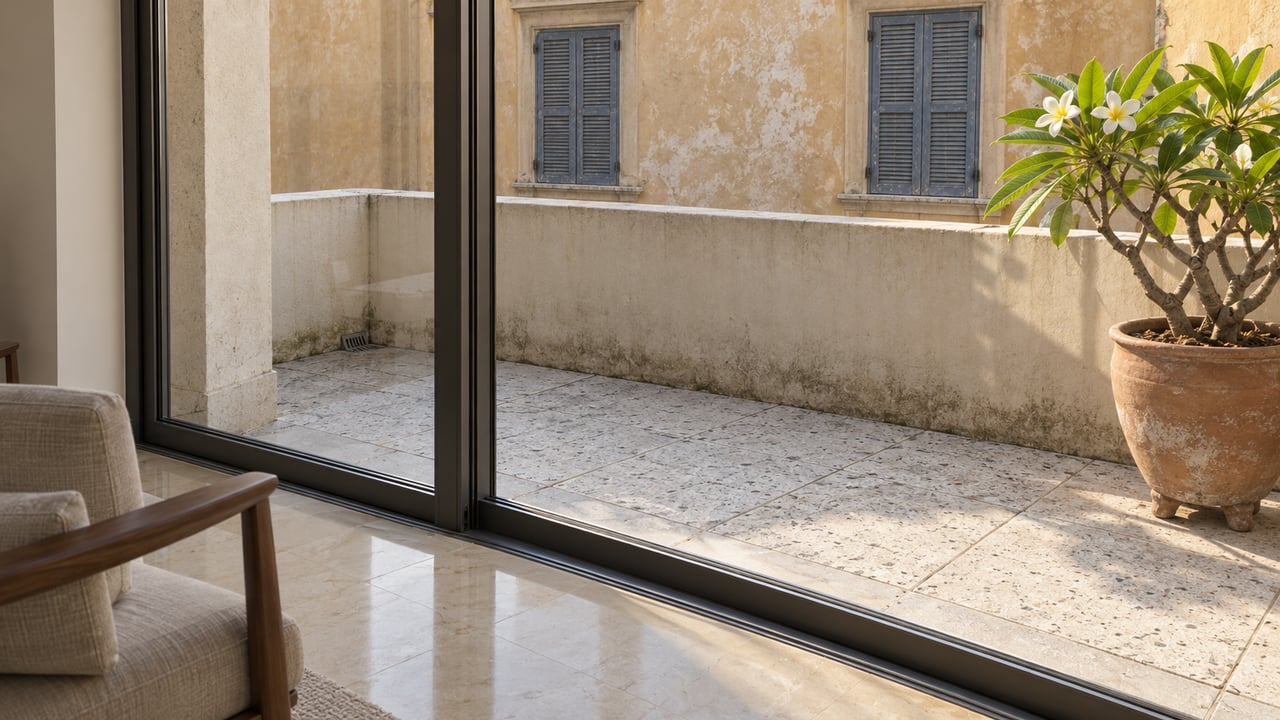
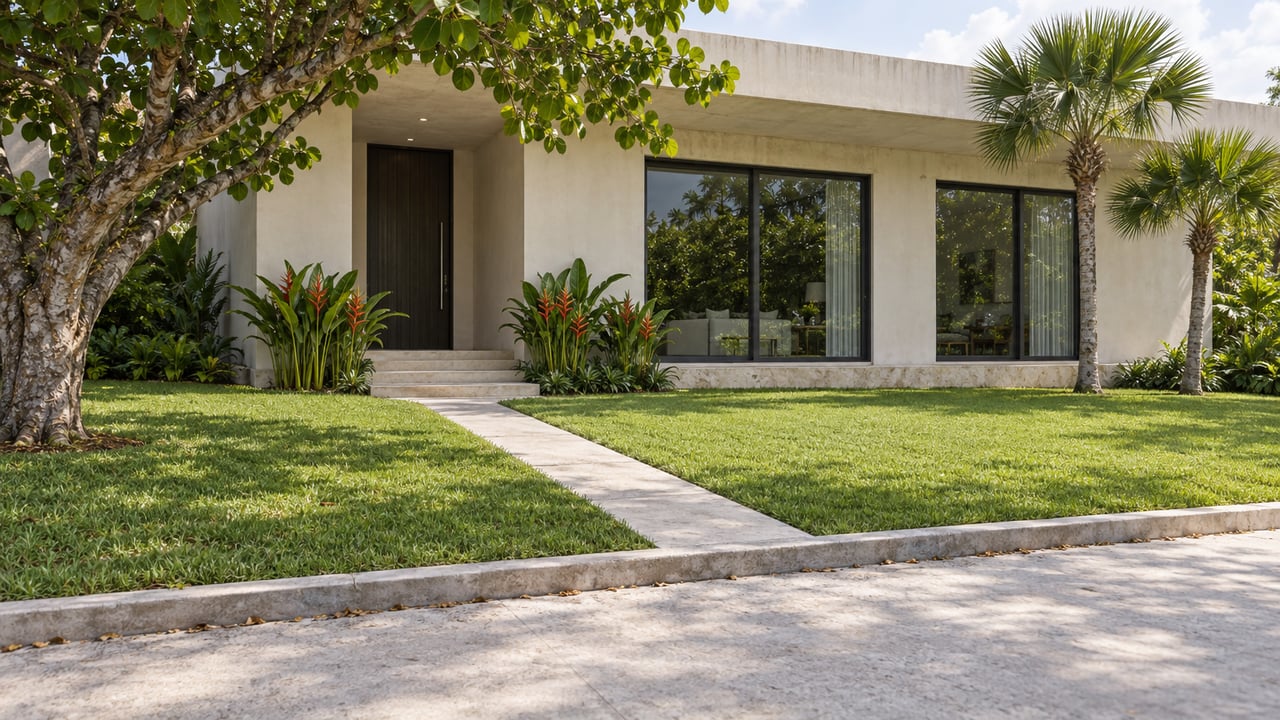
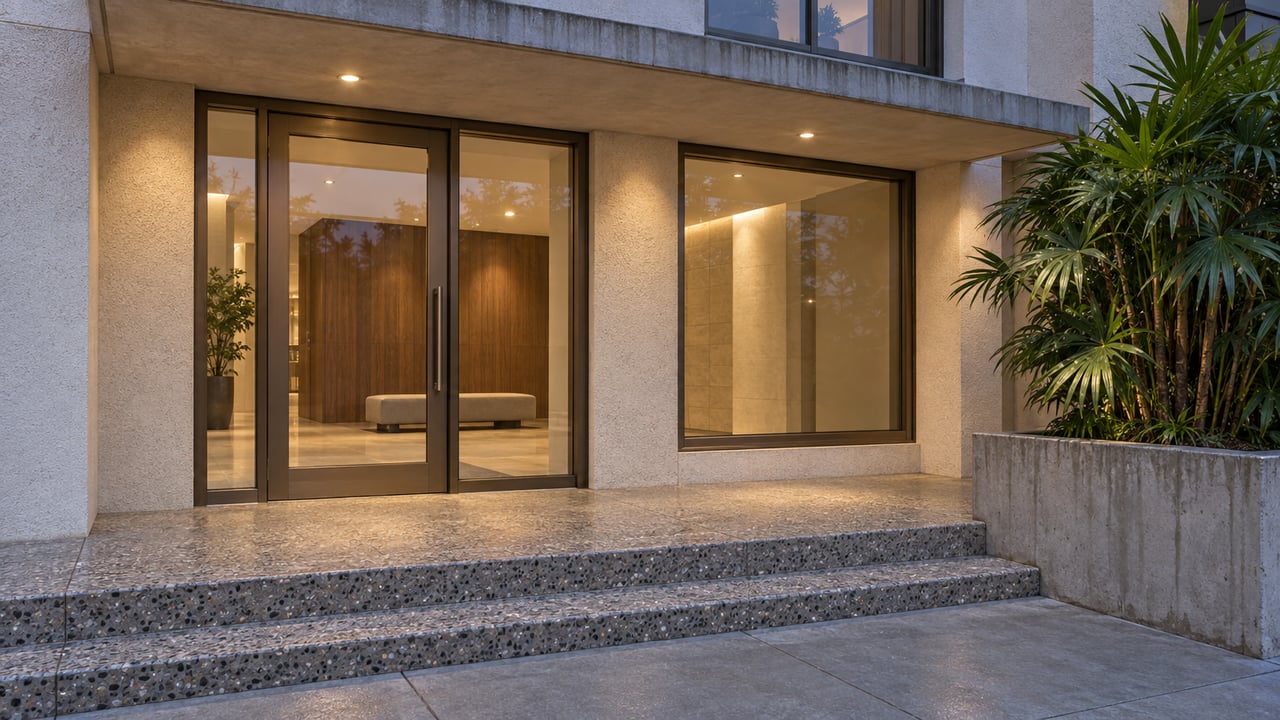
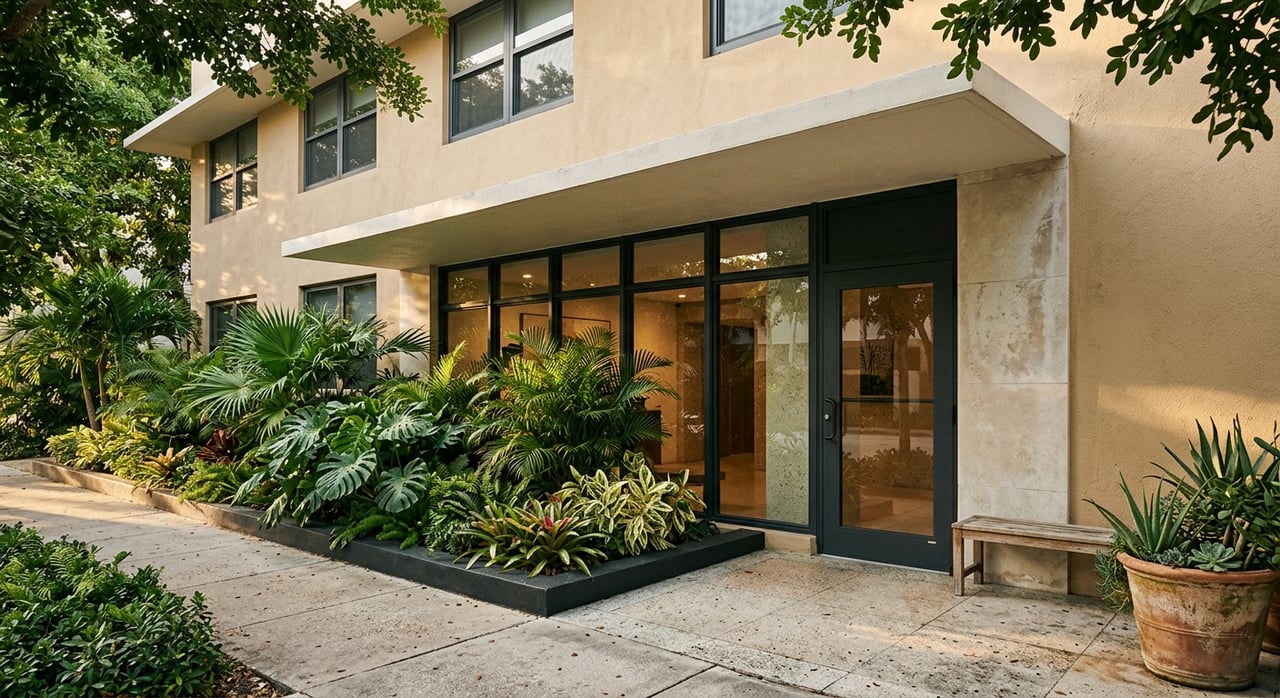
Miramar stands apart because it is not just centrally located. It is also officially recognized and protected as a historic zone. Puerto Rico law identifies Miramar as San Juan’s first planned residential suburb and describes an area shaped by narrow streets, community identity, and a requirement that future development preserve its residential character and architectural personality.
That matters if you are looking for an in-town lifestyle with substance. Miramar feels urban, but it does not read as generic or overly commercial. Its identity is tied to both daily residential life and the architectural character that has defined the neighborhood for generations.
Miramar’s Historic Urban Setting
Miramar sits between Condado Lagoon, San Juan Bay, and Calle Cerra, which helps explain why it feels so connected to the rest of San Juan. You are not tucked away in an isolated pocket. Instead, you are in a neighborhood with a central position that supports city living.
The area was urbanized early in the 20th century, and that early planning still shapes the experience today. The compact street pattern and preserved residential scale create a neighborhood where you can feel the city around you while still enjoying a more grounded, local rhythm.
Architecture also plays a visible role here. MADMi notes that its Pink House on Cuevillas Street was built in 1913 in the French Neoclassical Revival style, adding to the area’s diverse architectural presence. In Miramar, design is not just part of the background. It is part of the neighborhood experience.
Food in Miramar Fits Daily Life
A lot of neighborhoods have a few good restaurants. Miramar feels different because the food scene supports more than a night out. The mix of casual meals, destination dining, and flexible options makes it easier to picture real day-to-day life here.
Discover Puerto Rico highlights Comedor Miramar as a local-seasonal restaurant where casual meets chic. It also profiles Primitivo as an intimate spot for experimental tapas, cocktails, and wine, while Innato brings a farm-to-table approach to the neighborhood’s dining mix.
That range gives Miramar a practical edge. You can imagine coffee, lunch, dinner with friends, takeout on a busy day, or a more polished evening out without needing to leave the neighborhood. For buyers thinking beyond a vacation mindset, that kind of everyday usability matters.
Casual Options Add Flexibility
Miramar’s casual dining layer helps round out the experience. Discover Puerto Rico describes Miramar Food Truck Park as a place where you can sample a variety of foods, from dumplings made with Puerto Rican ingredients to roasted meats.
That kind of option gives the neighborhood more flexibility. It supports spontaneous plans, quick meals, and a wider variety of tastes in one area. For many people, that is a big part of what makes city living enjoyable instead of just convenient.
Culture Is Part of Everyday Life
Miramar is not only about architecture and restaurants. It also offers meaningful cultural anchors that give the neighborhood a steady sense of activity and identity. If you value being near art, music, and creative spaces, this is one of Miramar’s strongest qualities.
MADMi presents itself as an interactive art and design museum in historic Miramar, with exhibition galleries, an education classroom, a museum shop, and an open-air terrace. That mix gives the museum a neighborhood presence rather than a purely tourist-focused role.
The Puerto Rico Conservatory of Music adds another layer. It is officially described as being in the Miramar historic area near Condado and Old San Juan, and its profile highlights recurring public programs such as Tardes de Jazz and Conciertos en Familia.
This is an important distinction if you are exploring where to live. Cultural life in Miramar is not limited to a beautiful setting or a few special events. It has recurring, public-facing programming that helps keep the neighborhood active and engaged.
Community Events Bring It Together
One of the clearest examples of Miramar’s food-and-culture overlap is the Miramar Market. Discover Puerto Rico says the event brings together local cuisine, fresh products, artisans, creative brands, and Puerto Rican flavors in the Conservatory gardens.
That kind of gathering can tell you a lot about a neighborhood. It suggests a place where local businesses, creative energy, and community activity all share the same space. For someone relocating to San Juan, that is often the difference between simply having an address and actually feeling connected.
Shopping Feels Small-Scale and Curated
If you prefer neighborhood-scale shopping over a mall-centered routine, Miramar offers a more curated feel. Based on the examples in the research, the area leans toward small-format, design-forward experiences rather than large retail corridors.
MADMi includes a museum shop, which adds an arts-focused retail element to the neighborhood. Other examples include Vintfresh Market at the Miramar Event Center, known for vintage and second-hand finds, and Manzana Studio, described by Discover Puerto Rico as a beauty salon and boutique.
This pattern reinforces Miramar’s overall identity. The neighborhood appears to favor independent, creative, and community-linked spaces that fit the scale of the area. For many buyers, that adds to the appeal of a more intentional urban lifestyle.
Walkability Is a Major Advantage
Walkability is one of the biggest reasons people are drawn to Miramar. Multiple profiles describe it as one of San Juan’s more walkable and convenient neighborhoods, which is a meaningful advantage if you want to rely less on driving for every errand or outing.
Piloto 151 calls Miramar one of the city’s most walkable districts and notes its mix of restaurants and residential communities. Hotel Miramar also describes the area as San Juan’s residential section and says it sits a short walk from the main business district, shops, theaters, and beaches.
For relocators, that can be especially useful. If you are adjusting to a new city, being able to move through daily life on foot can make the transition feel smoother. It gives you a chance to learn the neighborhood in a more natural and comfortable way.
Nearby Areas Expand Your Options
Miramar’s location also strengthens its appeal. Discover Puerto Rico places it close to Old San Juan, Condado, and Santurce, while Don Rafa Boutique Hotel says guests are steps away from museums, Old San Juan, the Condado area, and the Puerto Rico Convention Center.
That means Miramar can work well if you want a residential home base with fast access to other key parts of San Juan. You get neighborhood identity without feeling cut off from the city’s broader energy. For many buyers, that balance is hard to find.
Who Miramar May Suit Best
Miramar can be an appealing fit if you want city living with character, convenience, and a more residential feel. It may especially resonate with buyers who value walkability, architecture, cultural programming, and a dining scene that supports everyday life.
It can also make sense if you are relocating and want to test a more connected San Juan lifestyle. Being near business districts, cultural venues, restaurants, and surrounding neighborhoods can make your first months feel easier and more intuitive.
Most of all, Miramar offers something that many in-town neighborhoods struggle to maintain. It feels active and central, but it still holds onto its identity as a real residential neighborhood.
If you are exploring Miramar or comparing it with other San Juan neighborhoods, working with a team that understands relocation, lifestyle fit, and local nuance can make the search much more efficient. Nest-Lux LLC offers concierge-minded guidance for buyers, renters, and relocators looking for the right Puerto Rico fit.
FAQs
What makes Miramar different from other San Juan neighborhoods?
- Miramar is officially recognized as a historic zone and identified by Puerto Rico law as San Juan’s first planned residential suburb, with protected residential character, narrow streets, and strong architectural identity.
Is Miramar in San Juan a walkable neighborhood?
- Yes. Multiple local hospitality and tourism profiles describe Miramar as one of San Juan’s more walkable and convenient neighborhoods, with access to restaurants, shops, theaters, beaches, and nearby districts.
What kind of food scene does Miramar offer?
- Miramar offers a mix of local-seasonal dining, farm-to-table restaurants, tapas and cocktail spots, and casual options like the Miramar Food Truck Park.
What cultural attractions are located in Miramar?
- Miramar is home to MADMi, an interactive art and design museum, and the Puerto Rico Conservatory of Music, which hosts recurring public programming such as jazz and family concerts.
Is Miramar close to other popular San Juan areas?
- Yes. Research cited here places Miramar close to Old San Juan, Condado, Santurce, museums, and the Puerto Rico Convention Center.
Who might enjoy living in Miramar most?
- Miramar may appeal to people who want a residential San Juan neighborhood with walkability, historic character, cultural amenities, and easy access to daily conveniences.