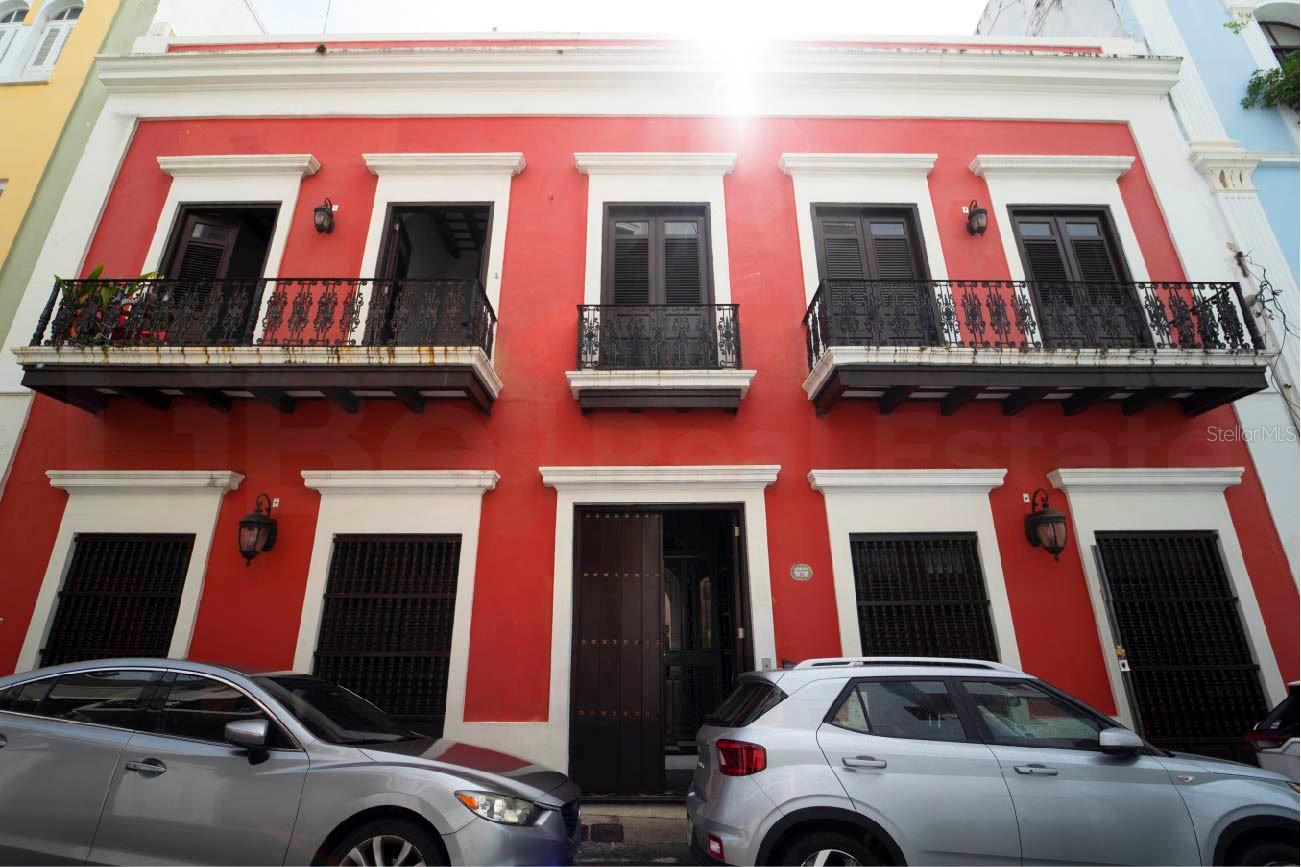
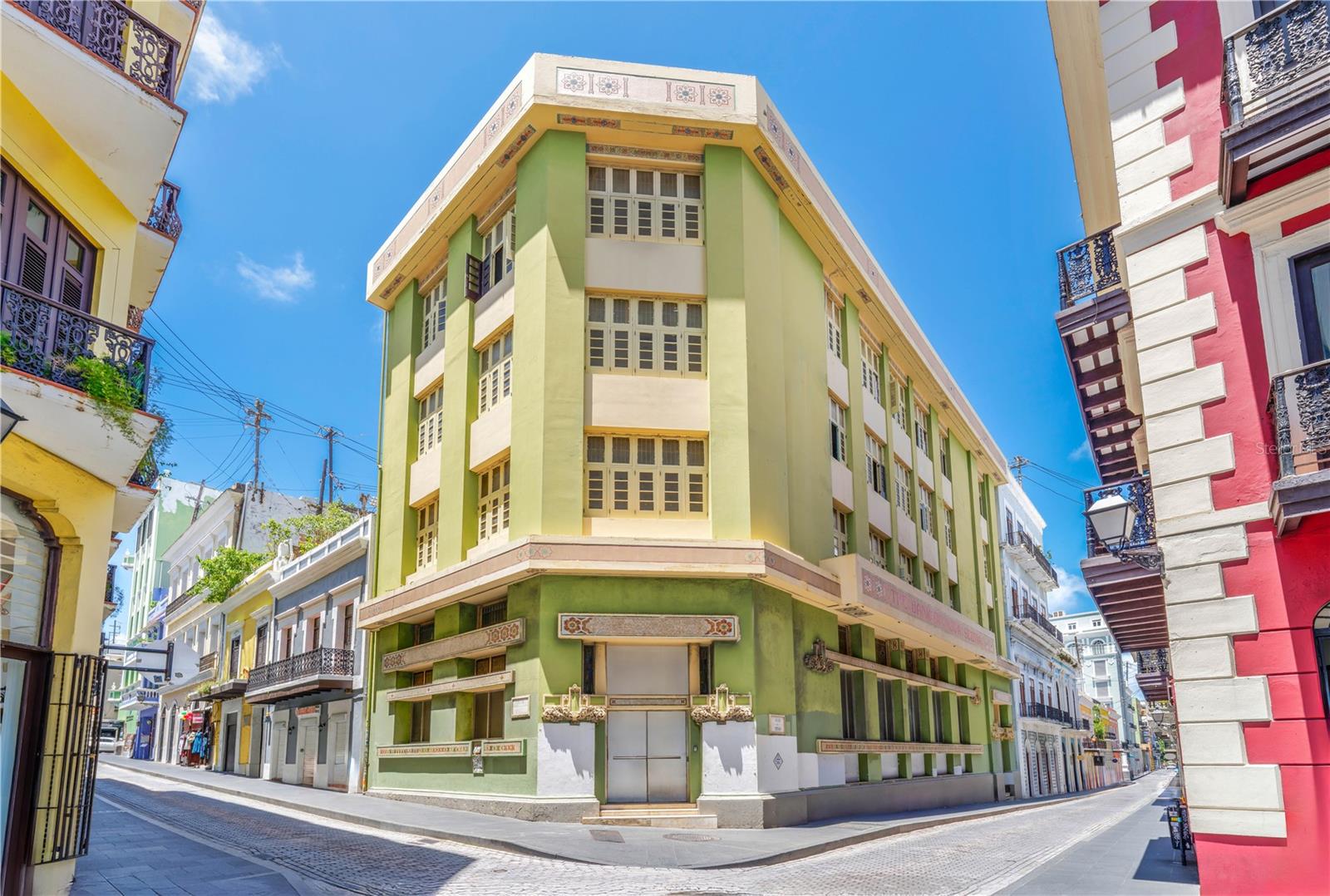
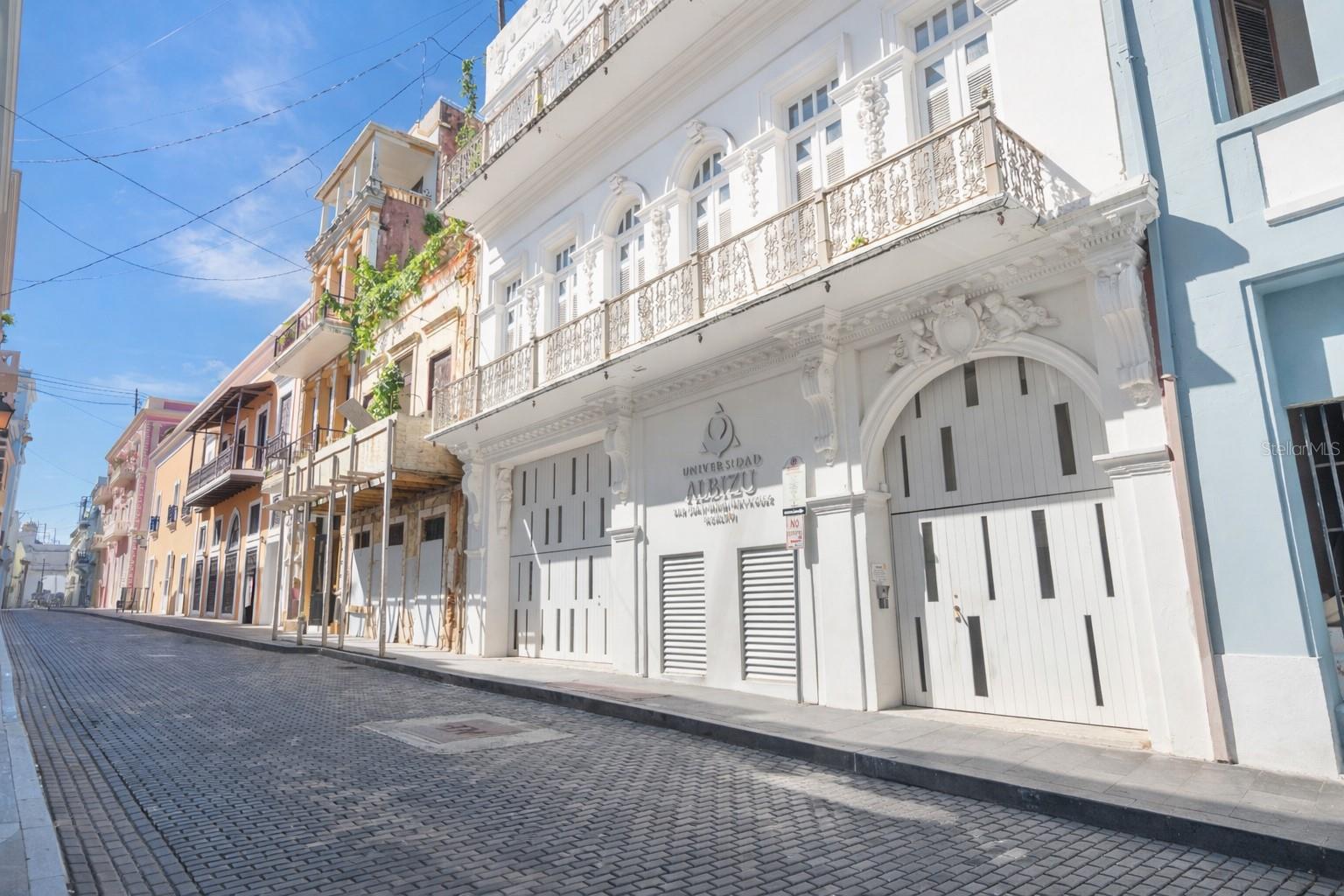
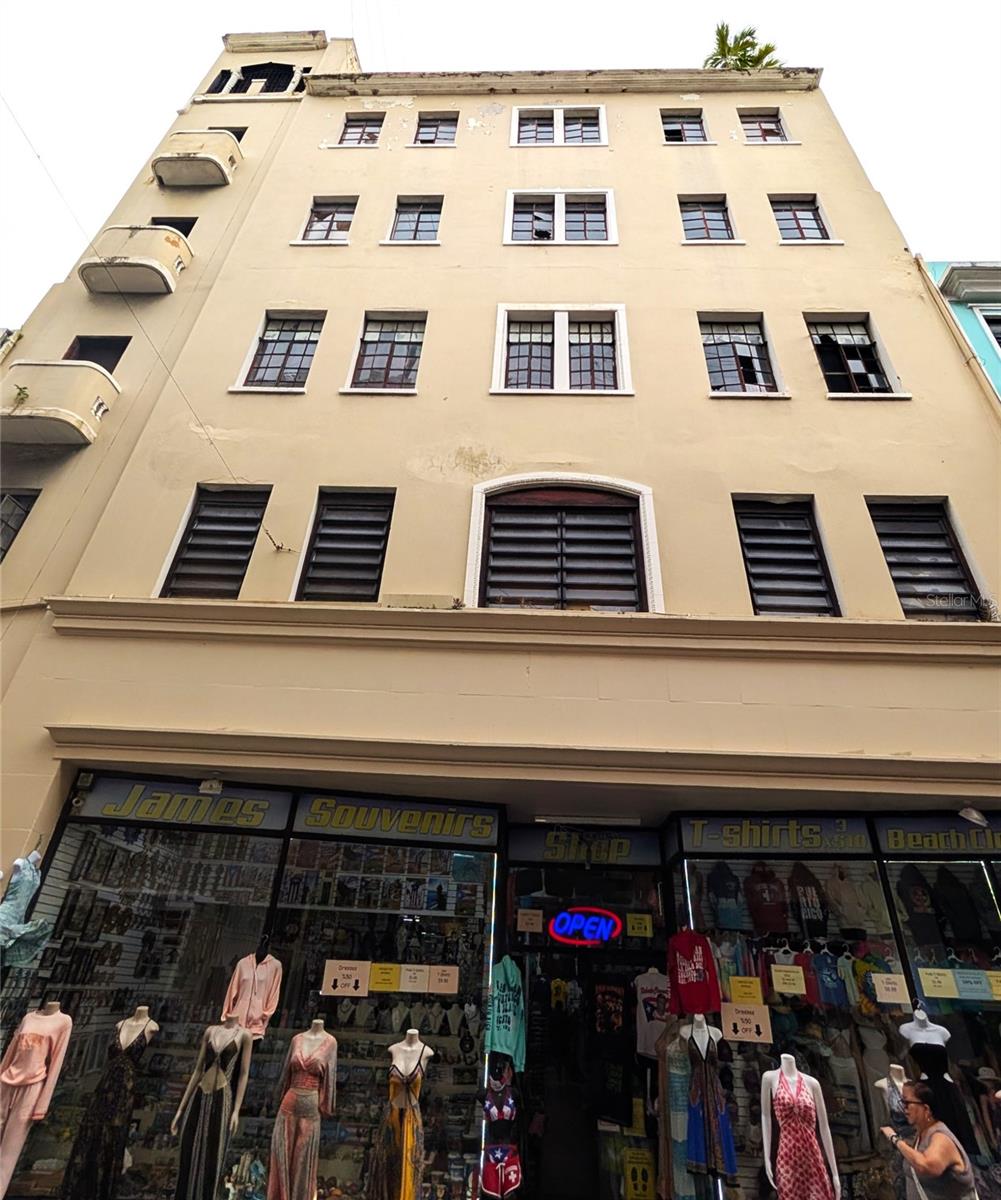
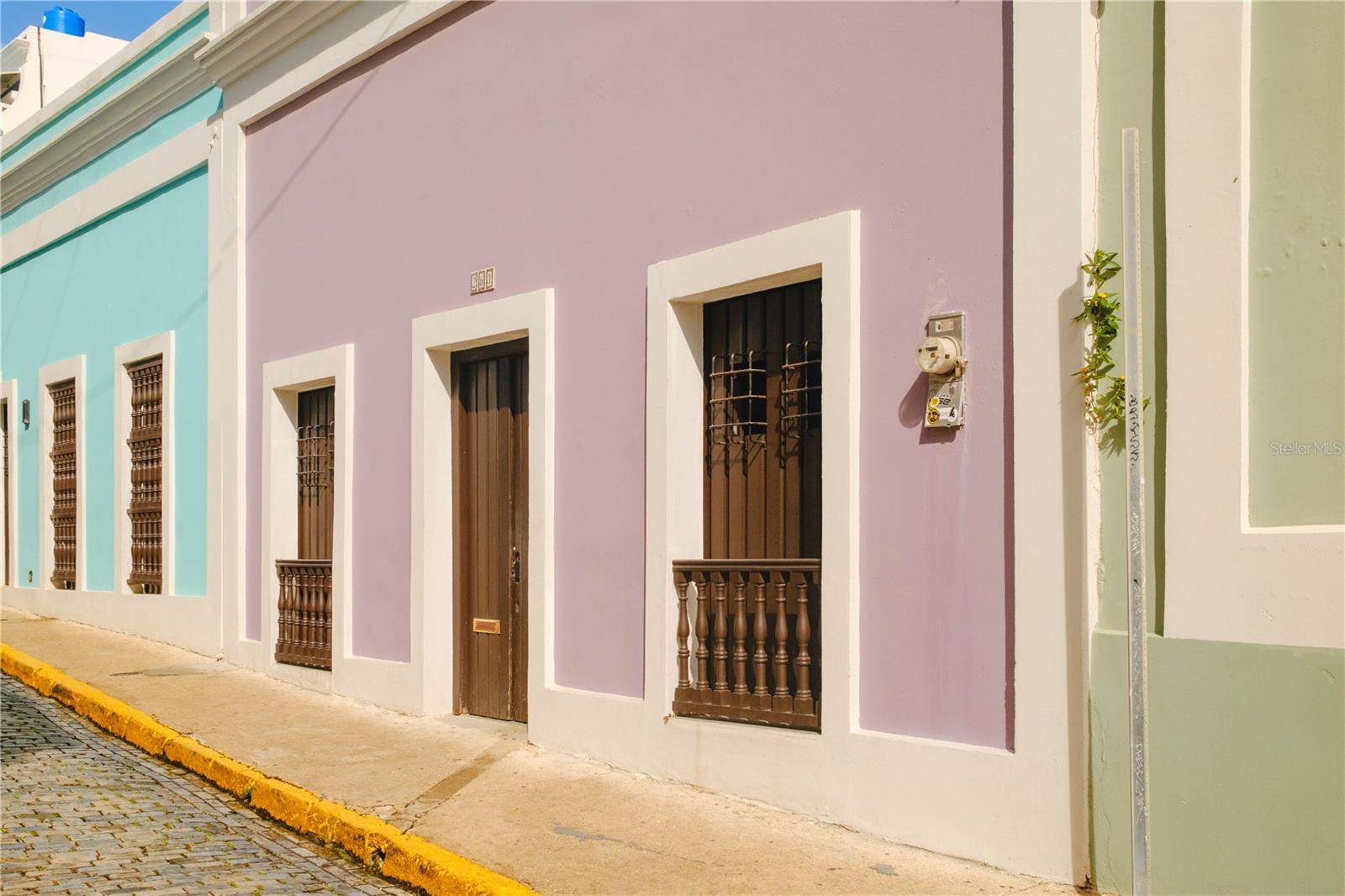
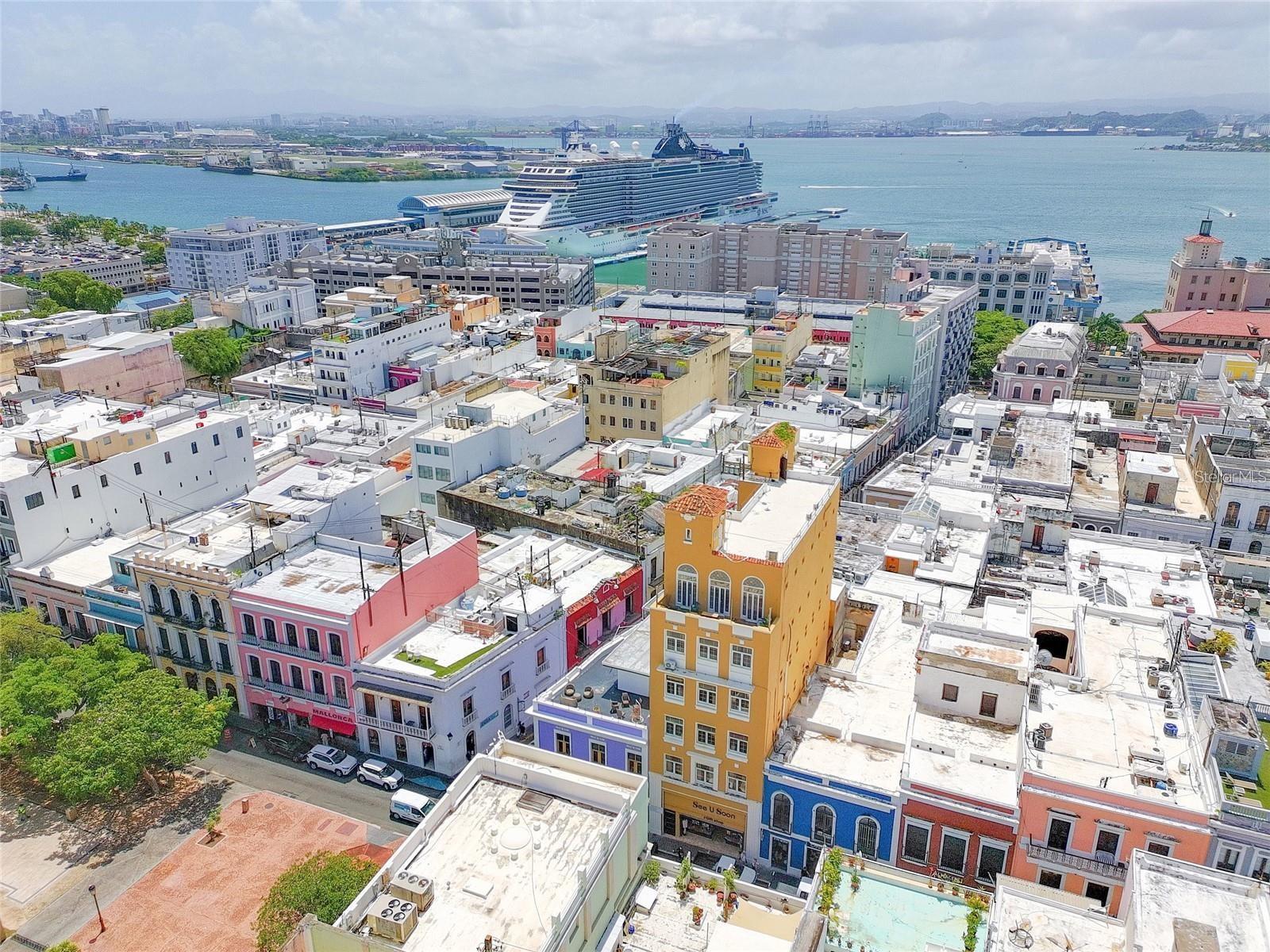
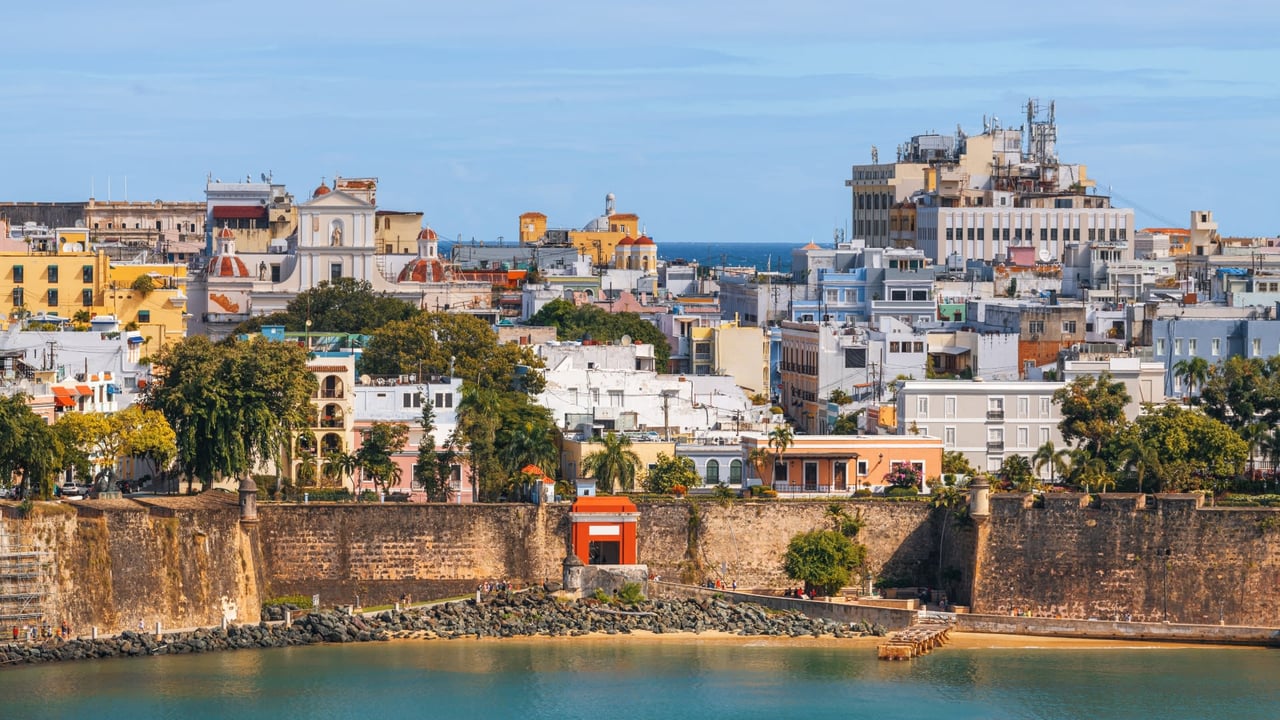
Viejo San Juan is the historic heart of San Juan and one of the most iconic urban neighborhoods in the Caribbean. Set on a small islet overlooking the Atlantic Ocean and San Juan Bay, it blends centuries-old Spanish colonial architecture with an active, lived-in city atmosphere. The neighborhood is compact, walkable, and visually striking, defined by colorful buildings, narrow cobblestone streets, and constant ocean breezes.
This is a place where history is not preserved behind glass—it is embedded in daily life. Government offices, museums, residences, churches, shops, and cafés coexist within fortified walls built in the 16th and 17th centuries. Viejo San Juan functions simultaneously as a cultural landmark, a residential district, and Puerto Rico’s most visited destination.
Key defining characteristics:
Viejo San Juan appeals to those drawn to character, culture, and proximity rather than space or modern suburban conveniences. It is less about typical neighborhood amenities and more about immersion—history, architecture, music, food, and the rhythm of an old city adapted to modern life.
Viejo San Juan traces its origins to 1521, making it one of the oldest continuously inhabited European-founded cities in the Americas. Its strategic position at the entrance of San Juan Bay quickly established it as a critical military and commercial hub for the Spanish Empire. Early growth was tightly controlled, shaped by defense needs rather than expansion, resulting in a compact urban footprint that persists today.
The neighborhood’s history is defined by conflict and resilience. Repeated attacks by foreign powers—including the Dutch in 1625 and the British in 1797—led to the construction and reinforcement of massive fortifications such as El Morro and San Cristóbal. These events cemented Viejo San Juan’s role as a fortified colonial city, prioritizing protection over sprawl.
Architecturally, Viejo San Juan evolved from simple early colonial structures into a dense ensemble of Spanish Caribbean design. Thick masonry walls, interior courtyards, wrought-iron balconies, and colorful plaster façades emerged as functional responses to climate, security, and urban density. Over time, neoclassical and later influences were layered onto the original colonial framework without erasing it.
Key historical phases:
Today’s Viejo San Juan is the result of deliberate preservation rather than modernization. Large-scale redevelopment was avoided in favor of restoration, allowing the neighborhood to retain its original scale and character. What exists now is not a re-creation, but a living historic city—one shaped by centuries of defense, governance, culture, and adaptation.
Viejo San Juan is located on a small islet along Puerto Rico’s northern coast, connected to the main island by bridges and causeways. It occupies the westernmost portion of the Isleta de San Juan, with clearly defined boundaries shaped by water and historic fortifications rather than modern zoning.
The neighborhood is bordered by:
In terms of proximity, Viejo San Juan sits at the geographic and administrative core of the San Juan metropolitan area. It is immediately adjacent to Condado, Miramar, and Santurce, and approximately 10–15 minutes by car from Isla Verde and Luis Muñoz Marín International Airport, depending on traffic.
The terrain is gently undulating, with subtle elevation changes that rise toward the western edge near El Morro and San Cristóbal. Streets are narrow and paved with historic blue cobblestones, contributing to limited vehicular access but excellent walkability. There is no room for horizontal expansion, reinforcing the neighborhood’s dense and compact urban form.
Climatically, Viejo San Juan experiences a tropical marine climate:
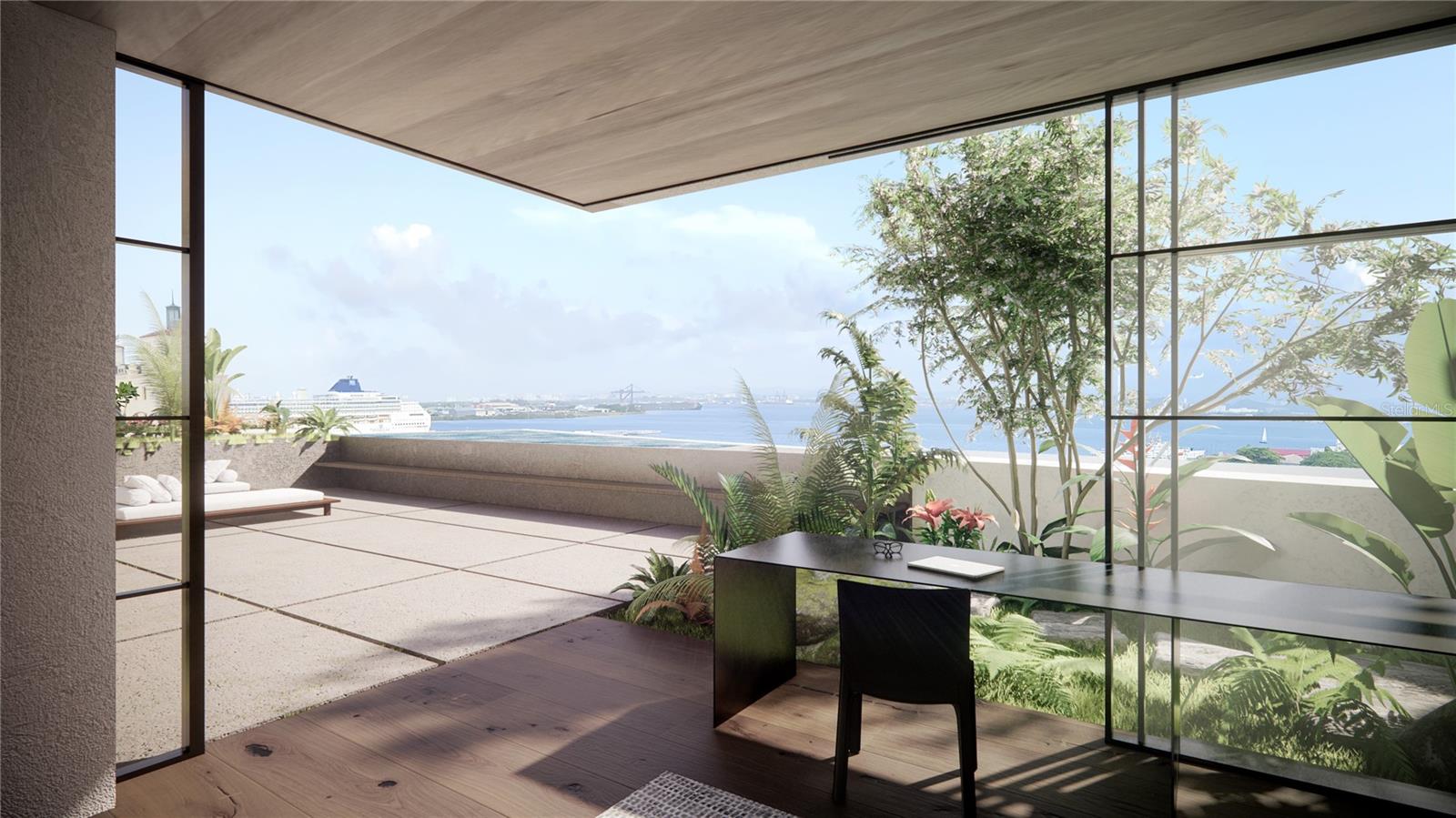
Natural surroundings play a visible role despite the urban density. Ocean views, bayfront promenades, and open-air plazas create a constant connection to water. The presence of the Atlantic and the bay influences daily life, from climate comfort to visual identity, making Viejo San Juan feel both urban and coastal at once.
Home Prices
Viejo San Juan is one of the most expensive residential markets in the San Juan metro area. As of late 2025, available listings range widely in price, with many properties between roughly $385,000 and $6.8 million and a median listing price around $1.3 million. Luxury penthouses, historic colonial homes, and waterfront units elevate the median well above broader San Juan averages. Inventory includes smaller condos in the mid-six-figures to expansive historic residences exceeding several million dollars.
Inventory Trends
Inventory in Viejo San Juan remains limited and specialized. The historic, compact nature of the neighborhood constrains supply, and new construction opportunities are scarce. Most listed properties are existing homes or condominiums, with a relatively small number on market compared with broader San Juan. This restricted supply supports price resilience but can dampen transaction volume.
Days on Market
Specific days-on-market (DOM) data for Viejo San Juan is not widely published in public MLS snapshots, but broader Puerto Rico data shows a trend toward quicker sales. Across the island, average DOM has compressed to around 54 days in 2025, reflecting stronger absorption compared to prior periods. Given limited inventory, desirable properties in Viejo San Juan—especially well-priced or turnkey units—typically sell faster than less competitively priced listings.
Appreciation Trends
The Puerto Rico housing market has experienced notable price growth through 2024–2025. Median prices on the island increased sharply year-over-year, with luxury segments (which dominate Viejo San Juan) showing particularly strong growth. Some reports indicate price increases above 11% in early 2025 in premium coastal markets, driven by external demand and tax incentive-related relocation. Appreciation in Viejo San Juan reflects these broader trends, amplified by constrained supply and high investor interest.
Buyer/Seller Market Conditions
Summary Metrics (Broad Context, 2025 Puerto Rico)
Key Takeaways
Viejo San Juan’s housing stock reflects its historic urban character and coastal location. Inventory is diverse but generally skewed toward condos and converted historic structures rather than typical suburban housing. Available property types include the following:
Condominiums
Historic Townhouses / Multi-Level Residences
Single-Family Homes
Mixed-Use / Multi-Family Properties
Apartments
Specialty / Unique Properties
Overall, the market is characterized by a high concentration of condos and historic residences, with single-family homes and mixed-use buildings offered less frequently but present as premium or investment-oriented options.
HOA Fees and Building Governance: Many properties are condominiums within historic or mixed-use buildings. HOA fees can be high due to structural maintenance, shared utilities, insurance, and preservation requirements. Governance quality varies widely and directly affects upkeep and resale value.
Flood Zones and Coastal Exposure: Parts of Viejo San Juan fall within FEMA flood zones, particularly near the bay and lower elevations. Buyers should review flood maps, insurance requirements, and elevation certificates. Coastal exposure also means higher salt corrosion and maintenance costs.
Wildfire Risk: Wildfire risk is minimal due to the dense urban setting and lack of vegetation. This is generally a non-issue compared to mainland coastal or hillside markets.
Property Age and Structural Condition: Most buildings are centuries old. While many have been restored, conditions vary significantly behind façades. Structural integrity, electrical systems, plumbing, and hurricane hardening should be carefully evaluated through specialized inspections.
Parking Constraints: Parking is one of the most limiting factors. Many homes do not include private parking. Street parking is restricted and competitive, and nearby garages may require monthly fees. Buyers relying on daily car use should factor this heavily.
Zoning and Use Restrictions: Zoning can limit renovations, short-term rentals, or mixed-use conversions. Historic preservation rules govern exterior changes and sometimes interior alterations. Permitting is slower and more complex than in newer neighborhoods.
School Boundaries: Viejo San Juan is not known for neighborhood-based public school access. Families typically rely on private schools or commute to other districts. School zoning is rarely a primary buying driver here.
Noise and Tourism Impact: Daytime tourism and nighttime dining activity create variable noise levels, especially near plazas, cruise routes, and entertainment corridors. Buyers should assess street orientation and building sound insulation.
Market Speed and Competition: Inventory is limited and highly segmented. Well-priced, renovated properties move quickly, often attracting cash buyers and off-island interest. Older or less updated units may sit longer but require capital investment.
Additional Practical Considerations
Buying in Viejo San Juan is less about convenience and more about fit. It rewards buyers who understand historic urban living and are prepared for complexity in exchange for character, location, and long-term cultural value.
Seasonality: Buyer activity tends to peak during the winter and early spring, driven by mainland U.S. buyers seeking second homes and favorable weather. Summer can remain active but is more price-sensitive, while late summer and early fall often slow due to hurricane season uncertainty.
Pricing Strategy: Accurate pricing is critical in a niche market with limited comparable sales. Overpricing can lead to extended time on market, while well-positioned listings attract serious buyers quickly. Pricing should reflect condition, views, parking availability, and building quality more than square footage alone.
Staging and Presentation Trends: Buyers respond strongly to light, clean interiors that highlight historic character. Neutral palettes, restored architectural details, and uncluttered spaces perform better than overly modern or heavily themed designs. Professional photography is essential due to the visual nature of the market.
Buyer Demographics: The buyer pool is diverse but targeted:
Marketing should align with these motivations rather than broad mass appeal.
Upgrades That Increase Value: Renovations that respect the building’s historic fabric typically yield the highest returns. Key value drivers include:
Cosmetic upgrades matter less than functional and structural improvements.
Disclosure and Documentation: Transparency is especially important due to building age. Buyers expect clear records of renovations, permits, HOA rules, insurance coverage, and flood zone status. Well-documented properties build trust and shorten negotiations.
Market Timing and Negotiation: Serious buyers are decisive but selective. Sellers should be prepared for detailed due diligence and occasional longer closing timelines. Flexibility on closing dates and furnishings can strengthen offers.
Selling in Viejo San Juan is about positioning, not volume. Properties that balance historic integrity with modern functionality and realistic pricing tend to outperform in both speed and final sale value.
Viejo San Juan offers one of the most concentrated and culturally rich dining and entertainment scenes in Puerto Rico. The neighborhood’s compact layout supports a dense mix of casual cafés, historic restaurants, cocktail bars, and live music venues, many set within centuries-old buildings. Dining here is as much about atmosphere as food.
Restaurants
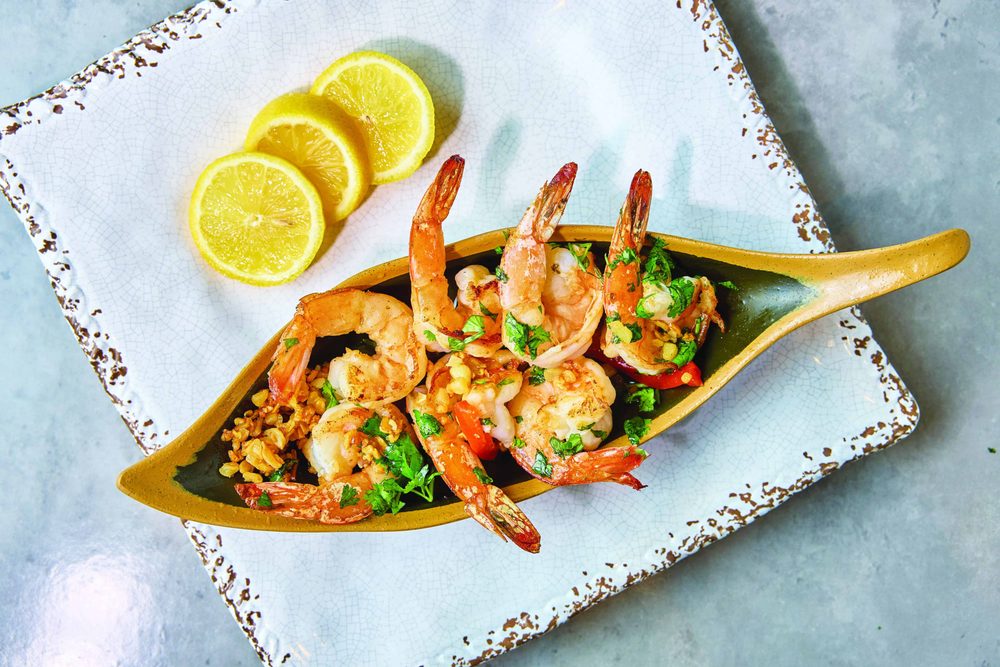
The culinary scene blends traditional Puerto Rican cuisine with contemporary Caribbean, Spanish, and international influences. Many restaurants emphasize local ingredients and heritage recipes, while others cater to refined, destination dining. Expect everything from classic mofongo and seafood to elevated tasting menus in restored colonial spaces.
Common restaurant types include:
Cafés and Coffee Spots
Viejo San Juan has a strong café culture, driven by foot traffic and local residents. Coffee shops are typically small, intimate, and street-facing, making them ideal for morning routines or midday breaks. Many serve locally sourced Puerto Rican coffee and light pastries.
Bars and Nightlife
Evenings shift the neighborhood’s energy. Bars range from quiet wine lounges to lively cocktail spots known for rum-based drinks and live music. Salsa, jazz, and acoustic performances are common, often spilling into open plazas and sidewalks.
Notable nightlife characteristics:
Entertainment and Cultural Venues
Beyond food and drink, entertainment is woven into daily life. Small galleries, cultural centers, and theaters host rotating exhibits, performances, and community events. Outdoor plazas frequently serve as informal stages for music, festivals, and public gatherings.
Overall, dining and entertainment in Viejo San Juan are immersive rather than commercialized. The experience prioritizes place, culture, and social interaction, making the neighborhood feel vibrant without relying on large-scale venues or chains.
Viejo San Juan offers outdoor recreation that is coastal, walkable, and integrated into the historic urban fabric rather than traditional park systems. Open spaces emphasize views, breezes, and movement over large green expanses.
Waterfront Walks and Promenades: The Paseo del Morro and Paseo de la Princesa are the primary recreational corridors. These wide, scenic paths run along the city walls and bay, used for walking, jogging, cycling, and sunset viewing. They connect history with uninterrupted ocean and harbor views.
Beaches and Coastal Access: Viejo San Juan itself does not have swimmable beaches, but coastal access defines daily life. Nearby beaches such as Escambrón and Condado are a short drive away. Within the neighborhood, residents enjoy ocean overlooks, sea walls, and breezy viewpoints rather than beach lounging.
Plazas and Public Squares: Small plazas serve as informal recreational spaces. Plaza de Armas, Plaza Colón, and Plaza del Quinto Centenario are used for sitting, socializing, and community events. These spaces function as living rooms for the neighborhood.
Trails and Outdoor Exploration: There are no forested trails or lakes, but the historic street grid itself acts as a walking network. Cobblestone streets, elevation changes, and coastal routes make walking a daily physical activity rather than a leisure-only pursuit.
Playgrounds and Family Spaces: Dedicated playgrounds are limited. Families typically rely on nearby metro parks or beachfront areas outside Viejo San Juan. The neighborhood is better suited to adult-oriented recreation and passive outdoor use.
Golf and Organized Sports: There are no golf courses or large sports facilities within Viejo San Juan. Golfers and athletes commute to facilities in Río Piedras, Guaynabo, or Dorado.
Outdoor Lifestyle Summary
Recreation in Viejo San Juan is experiential rather than amenity-driven. It prioritizes movement, scenery, and atmosphere over structured facilities, aligning with the neighborhood’s historic and urban character.
Viejo San Juan hosts many of Puerto Rico’s most recognizable cultural events, with festivals woven into the neighborhood’s streets, plazas, and historic landmarks. These events reinforce its role as the island’s cultural and civic stage rather than a purely residential district.
San Sebastián Street Festival (Fiestas de la Calle San Sebastián)
Held every January, this is the largest and most significant annual event in Viejo San Juan. It marks the unofficial close of the Christmas season and draws massive crowds. The festival features live music, traditional crafts, folk art, street food, parades, and pop-up performances throughout the neighborhood.
Christmas and Holiday Celebrations
Viejo San Juan becomes a focal point during Puerto Rico’s extended holiday season. Plazas and churches host concerts, religious processions, and seasonal markets. The neighborhood’s historic setting amplifies the festive atmosphere, especially in the evenings.
Cultural and Heritage Festivals
Throughout the year, Viejo San Juan hosts smaller-scale cultural events celebrating Puerto Rican music, dance, literature, and visual arts. These are often organized around plazas, museums, and cultural institutions rather than centralized venues.
Music and Performance Events
Live music is a recurring feature rather than a one-off event. Salsa, jazz, classical, and folkloric performances frequently take place in open-air settings, particularly during weekends and special commemorations.
Civic and National Observances
Government ceremonies, national holidays, and historic commemorations are often centered in Viejo San Juan due to its political and symbolic importance. These events can include parades, military honors, and public speeches.
Event Considerations for Residents
Annual events in Viejo San Juan are not occasional disruptions—they are part of the neighborhood’s identity. Living here means regular exposure to Puerto Rico’s public celebrations, traditions, and collective memory.
Public and Local Schools
Escuela Elemental Abraham Lincoln: Local public elementary serving neighborhood families.
Escuela Superior Dr. José Celso Barbosa: Public high school within walking distance, typical of San Juan city schooling.
Public schools in the broader San Juan area generally face resource challenges and have average to below-average academic indicators compared to statewide metrics.
Preschools and Early Childhood
Antiguo Colegio de Párvulos del Corazon de María: Highly rated local preschool option within the historic district.
Let's Giggle School: Early learning institution serving younger children nearby.
Little Genius Center of Child Development & Early Attention of PR: Day care and early childhood support services in the area.
Nearby San Juan preschools (broader metro) are well-reviewed options for families willing to commute.
Private and International Schools (Nearby)
Due to the compact nature of Viejo San Juan, many established private schools are located a short commute away in greater San Juan:
Specialized and Arts Education
Higher Education and Continuing Studies
Proximity and Accessibility
Public and private schooling options are not all located immediately within the historic district due to its size and tourism focus; families often commute minutes away by car or transit to broader San Juan destinations. Private school offerings tend to have selective admissions and higher tuition, while public schooling follows Commonwealth of Puerto Rico systems with zoning dependent on residence.
Viejo San Juan provides basic neighborhood schooling with nearby access to more comprehensive educational institutions. Preschool and arts programs are available onsite, primary and secondary choices are within short distance or require brief travel, and several higher education options are embedded in or near the historic district, making the area suitable for residents valuing urban access to educational diversity.
Road Access
Viejo San Juan is connected to the rest of the San Juan metropolitan area by a series of bridges and causeways. The principal road arteries are:
Access is efficient by car but often congested during peak rush hours due to limited entry points and high urban density.
Driving and Parking
Public Transit
Rail / Rapid Transit
Pedestrian and Bicycle Access
Access to Key Destinations
Commute Considerations
Viejo San Juan’s accessibility combines strong pedestrian infrastructure with reasonable vehicular connections to major expressways, though limited parking and urban congestion shape commuting behavior.
People love Viejo San Juan because it offers a lifestyle rooted in character, culture, and proximity rather than space or convenience in the suburban sense. Living here feels immersive—everyday routines unfold within a historic, walkable, and visually rich environment.
Lifestyle and Quality of Life
Daily life is pedestrian-oriented. Residents walk to cafés, plazas, restaurants, offices, and cultural venues, reducing reliance on cars. Ocean breezes, open plazas, and waterfront promenades create a sense of openness despite the dense urban form. The pace feels social and human-scaled.
Cultural Depth and Identity
Viejo San Juan is emotionally resonant. Architecture, music, food, and language reflect Puerto Rico’s identity in its most concentrated form. Living here means constant exposure to art, history, and public celebration—not as a visitor, but as a participant.
Convenience Without Homogeneity
While not conventionally convenient, the neighborhood offers what matters most to its residents: proximity to government offices, dining, nightlife, cultural institutions, and the broader San Juan metro. Essentials are nearby, and variety replaces big-box efficiency.
Community and Atmosphere
Despite heavy tourism, there is a strong local community. Long-term residents, business owners, artists, and professionals create a lived-in feel beyond daytime crowds. Evenings and early mornings reveal a quieter, more intimate side of the neighborhood.
Emotional Appeal
Viejo San Juan is loved not because it is easy, but because it is meaningful. It attracts people who value experience over excess, culture over convenience, and belonging over uniformity.
Viejo San Juan is defined by micro-locations rather than broad subdivisions. Value, desirability, and lifestyle vary significantly by street orientation, elevation, and proximity to landmarks. Buyers and sellers closely evaluate these nuances.
Waterfront and Bay-Facing Streets
Properties along the southern edge overlooking San Juan Bay are among the most coveted. These streets offer views, breezes, and proximity to Paseo de la Princesa, with generally less tourist congestion than the northern coast. Highly sought areas include:
Northern Wall and Ocean-Facing Areas
Homes near the Atlantic-facing city walls attract buyers seeking dramatic views and constant airflow. These locations feel more residential and quieter, especially near El Morro. Notable streets:
Central Historic Core
Streets near Plaza de Armas and Plaza Colón are prized for walkability and access to cafés, shops, and offices. These locations appeal to buyers prioritizing convenience and cultural immersion, though noise and foot traffic are higher. Key streets include:
Residential-Leaning Pockets
Some interior blocks offer quieter living while remaining central. These areas are favored by full-time residents and long-term renters. Examples include:
Signature Estates and Landmark Properties
Large colonial residences, corner buildings, and properties with courtyards or terraces command premium pricing. These are often limited-supply, legacy properties that trade infrequently and attract international interest.
What Drives Street-Level Value
In Viejo San Juan, the street matters as much as the property itself. Buyers who understand these micro-locations tend to make more durable, value-aligned decisions.
Viejo San Juan is for buyers and residents who prioritize place, culture, and experience over space, speed, and modern uniformity. It appeals to individuals who understand that living here is a lifestyle choice, not a convenience play. It is well suited for:
Viejo San Juan rewards patience, flexibility, and appreciation for history. For the right buyer, it offers something rare: a deeply rooted sense of identity, daily beauty, and a connection to Puerto Rico’s cultural core that cannot be replicated elsewhere.
320,691 people live in Viejo San Juan, where the median age is 45.2 and the average individual income is $24,931. Data provided by the U.S. Census Bureau.
Total Population
Median Age
Population Density Population Density This is the number of people per square mile in a neighborhood.
Average individual Income
There's plenty to do around Viejo San Juan, including shopping, dining, nightlife, parks, and more. Data provided by Walk Score and Yelp.
Explore popular things to do in the area, including Anastacia, Walgreens, and San Juan Frappés.
| Name | Category | Distance | Reviews |
Ratings by
Yelp
|
|---|---|---|---|---|
| Dining | 0.18 miles | 0 reviews | 0/5 stars | |
| Dining | 0.26 miles | 0 reviews | 0/5 stars | |
| Dining | 0.26 miles | 1 review | 1/5 stars | |
| Dining | 0.61 miles | 0 reviews | 0/5 stars | |
| Dining · $$$ | 0.63 miles | 19 reviews | 4.3/5 stars | |
| Dining | 0.65 miles | 1 review | 5/5 stars | |
| Dining · $ | 0.68 miles | 1 review | 5/5 stars | |
| Dining | 0.69 miles | 1 review | 3/5 stars | |
| Dining · $ | 0.73 miles | 6 reviews | 5/5 stars | |
| Dining | 0.77 miles | 1 review | 5/5 stars | |
| Dining | 0.78 miles | 2 reviews | 3.5/5 stars | |
| Dining | 0.78 miles | 0 reviews | 0/5 stars | |
| Dining | 0.8 miles | 0 reviews | 0/5 stars | |
| Dining | 0.81 miles | 3 reviews | 2/5 stars | |
| Shopping | 0.39 miles | 0 reviews | 0/5 stars | |
| Shopping | 0.4 miles | 1 review | 3/5 stars | |
| Active | 0.47 miles | 0 reviews | 0/5 stars | |
| Active | 0.74 miles | 2 reviews | 4.5/5 stars | |
| Active | 0.77 miles | 0 reviews | 0/5 stars | |
| Active | 0.8 miles | 7 reviews | 4.6/5 stars | |
| Nightlife | 0.18 miles | 0 reviews | 0/5 stars | |
| Nightlife | 0.81 miles | 0 reviews | 0/5 stars | |
| Beauty | 0.82 miles | 0 reviews | 0/5 stars | |
|
|
||||
|
|
||||
|
|
||||
|
|
||||
|
|
||||
|
|
Viejo San Juan has 140,592 households, with an average household size of 2.24. Data provided by the U.S. Census Bureau. Here’s what the people living in Viejo San Juan do for work — and how long it takes them to get there. Data provided by the U.S. Census Bureau. 320,691 people call Viejo San Juan home. The population density is 8,055 and the largest age group is Data provided by the U.S. Census Bureau.
Total Population
Population Density Population Density This is the number of people per square mile in a neighborhood.
Median Age
Men vs Women
Population by Age Group
0-9 Years
10-17 Years
18-24 Years
25-64 Years
65-74 Years
75+ Years
Education Level
Total Households
Average Household Size
Average individual Income
Households with Children
With Children:
Without Children:
Marital Status
Blue vs White Collar Workers
Blue Collar:
White Collar:
NEST LUX agents integrate market expertise with entrepreneurial skills. We are driven, creative, and committed. Above all, we understand that trust is earned by delivering results and that our success is defined by yours.